
19 June 2026
Fret Polishing — What It Is and Why It Matters
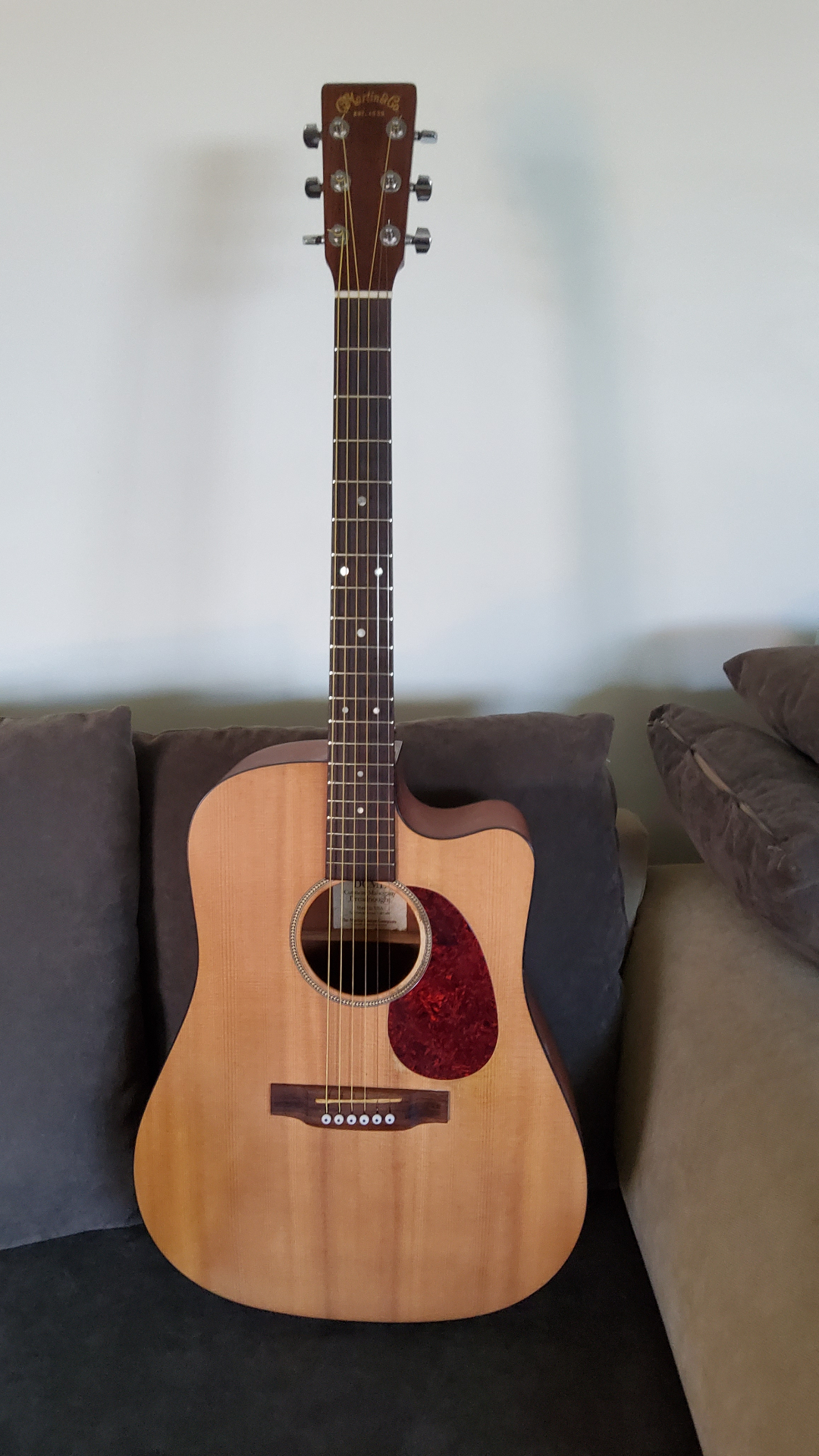
— The Journal
Fret Polishing — What It Is and Why It Matters
Frets take a beating. Every bend, every chord, every slide drags metal against metal, and over time that leaves your frets dull, slightly oxidised, or just rough under the fingers. Polishing brings back the smooth, glassy surface that makes bends effortless and string changes feel like less of a chore on your fingertips. Here's what's actually involved.
Why frets dull out in the first place
It comes down to play time, sweat chemistry, and the type of string you're using. There's no fixed schedule that applies to every player — someone gigging four nights a week will need attention far sooner than someone who plays casually at home. The simplest check is to do it every time you change strings: if the frets look oxidised or feel rough when you bend a note, it's worth a polish. Wiping your strings and frets down after playing slows the process down considerably and is the cheapest maintenance habit you can build.
Protecting the fingerboard is the whole job
Here's the part that's easy to get wrong if you're doing this yourself: the abrasives that bring a fret back to a shine will just as easily scratch your fingerboard. Most of that polishing motion runs across the grain of the wood, so any stray contact leaves marks that don't blend in and are difficult to undo. That's why a fret guard — a thin metal shield that sits around a single fret — gets used for this job, isolating the fret from the wood around it. For a quicker, lighter clean, painter's tape over the board works too, though it takes longer to mask up properly.
Pickups need covering as well. Once you bring steel wool into the picture, the magnets in your pickups will happily pull in any stray fibres, and that's not something you want creeping into your electronics.
The actual polishing process
Work through abrasives from coarse to fine. A common approach is fine steel wool (0000 grade) as a starting point, moving through finer micro-mesh pads to bring up the shine. Some techs prefer synthetic alternatives to steel wool specifically because they don't shed the magnetic fuzz that steel wool does — both get the job done, it's really about which mess you'd rather deal with.
Work one fret at a time, in the direction of the fret itself rather than across it, and use a fresh section of your polishing material every few frets so you're not just redistributing grime. Once you're done, a thorough clean-up matters just as much as the polish — vacuum or wipe away the residue before it has a chance to settle back into the wood grain or under the strings.
What's worth doing at home, and what isn't
A light clean with a soft cloth after playing, or an occasional gentle pass with fine steel wool and a proper fret guard, is reasonable for most players to do themselves. Where it gets risky is if the frets have actual grooves or flat spots from wear, rather than just surface dullness — that's a sign of fret wear that polishing alone won't fix, and pushing harder with abrasives to compensate can do more harm than good.
If your frets are visibly grooved, if bends feel inconsistent up and down the neck, or you'd just rather not have abrasives anywhere near your guitar's finish, that's exactly the kind of job we handle properly on the bench — including a full level and crown if the frets actually need it, not just a polish. Book a repair and I'll take a look.